Radical Change in Switzerland: Review by Anesthesiology Specialist Tihomir
22. September 2023.
What is it like to be a specialist in Switzerland? Our today’s interviewee, Tihomir Piškor, a specialist in anesthesiology and intensive care, will try to answer this question from his perspective. He worked in Croatia until a year ago, when he decided to take a major step in his life and search for a new place in the sun – in the land of chocolate and cheese, but also high precision and quality. Read his story below.
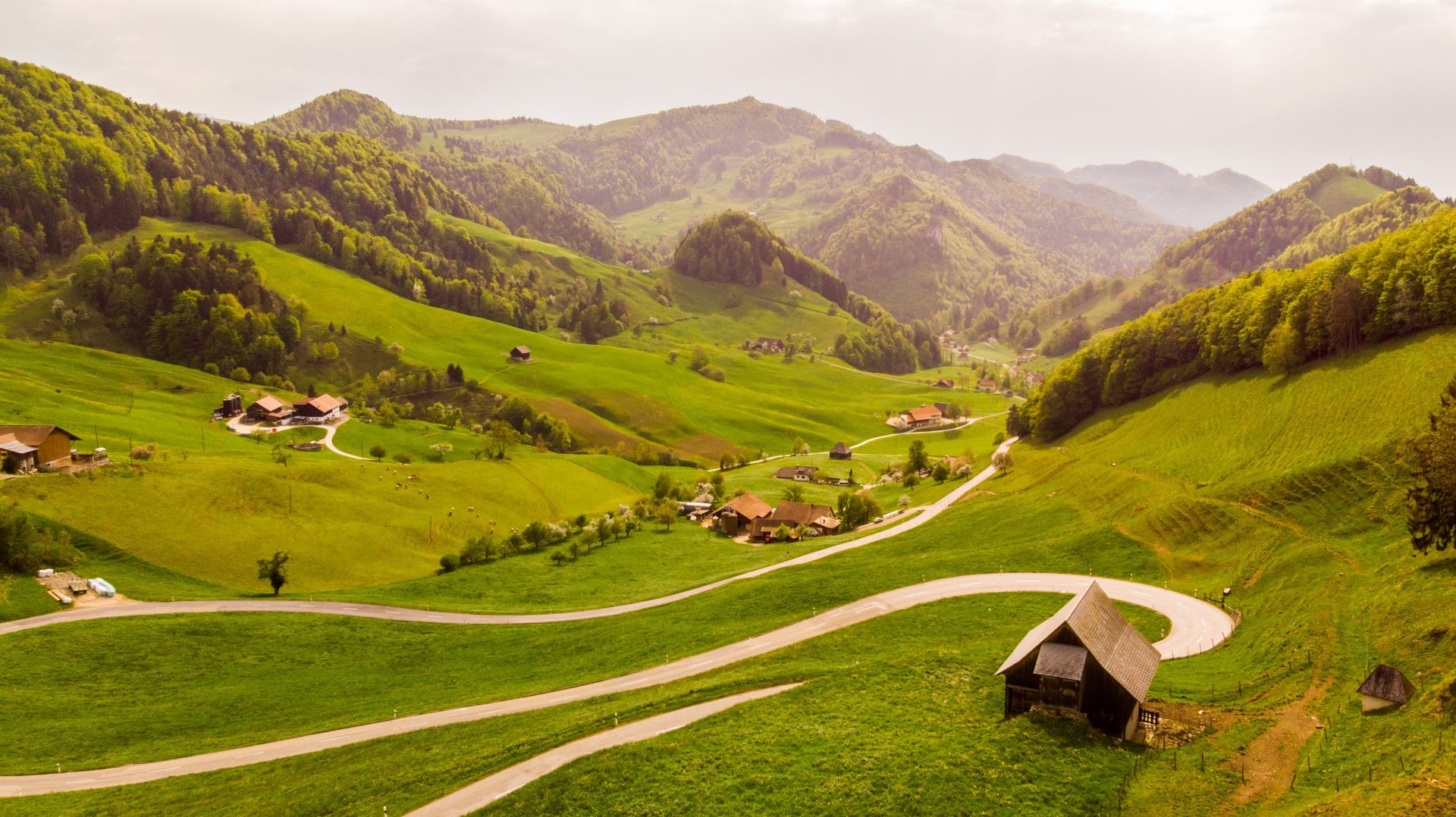
Photo by Sven on Unsplash / Switzerland is also known for its enchanting blend of greenery and mountain landscapes.
Motivation for Moving to Switzerland
“First and foremost, I considered going abroad as a personal challenge,” says Tihomir. He was fully aware of what awaited him: meeting new people, getting adjusted to a new work culture, adapting to a different system of evaluation… While such significant changes might scare many of his colleagues, they only encouraged Tihomir to finally decide to move to Switzerland. More than anything, Tihomir wanted a change.
“I didn’t want to settle for the way young people, especially highly educated ones, are treated in Croatia,” says Tihomir. He was looking for an experience that would be radically different from what he had seen in Croatian hospitals.
Average Workday for a Doctor in Switzerland
Tihomir’s workday starts at 6:45 a.m. After finalizing the meetings and morning procedures, the main meeting takes place in the operating room at 7:05 a.m. The first surgeries are already completed by 8 a.m. “As a specialist, I am responsible for working in three operating rooms, which sometimes means having over 15 surgeries in a single workday,” says Tihomir.
Between 11:00 a.m. and 1:00 p.m., Tihomir has to take a mandatory 30-minute break.
An average workday ends at 5:30 p.m. but extends to 12 hours during weekends and in all night shifts. Tihomir has several night shifts every month, which don’t bring any other benefits apart from the financial ones. Compensation days are flexible.
Summary of Tihomir’s workday:
6:45 am: Start of the shift
7:05 am: Main meeting in the operating room
11:00 am – 1:00 pm: 30-minute break
5:30 pm: End of an average workday
Working Conditions in Switzerland
Working conditions in Switzerland are exceptionally high, according to Tihomir. “Hospitals have modern equipment, and the work must be done really well.” It’s often not enough just to do the job, or to put it figuratively, get a passing grade on your exam. A’s and B’s are considered standard.
“The job must be done exactly according to the employer’s instructions, and specialists have additional responsibilities that go beyond the standard work,” says Tihomir. “Each specialist is responsible for improving a specific part of the clinic by suggesting and writing work guidelines, organizing work, and educating assistants.”
So, doctors in Switzerland are expected to do more. But what about employers and supervisors?
The same standards apply to them, too, according to Tihomir. “[Employers and supervisors] ensure that internal guidelines are always up-to-date and accessible to everyone.” Additionally, they ensure that doctors always have all the necessary equipment and an adequate working environment. “Anesthesiology equipment is more than accessible, and every doctor has an office. The concept of office work after the surgical part is completely accepted and highly valued.”
While we’re on the topic of values, Tihomir’s experience suggests that Switzerland primarily differs from Croatia in terms of value systems.
Mutual Respect, the Desire for Progress, and Moderation
Tihomir believes that the main difference between working in Croatia and Switzerland lies in interpersonal relationships. “Here, ‘thank you’ and ‘please’ are said a hundred times a day, even when everything is going according to plan and as expected.” “Magical” words and kindness are not reserved only for outstanding achievements or favors but are used daily to support and encourage colleagues.
Moreover, competition among colleagues is minimized, and the emphasis is on cooperation and assistance. The goal is to listen to and constructively discuss everyone’s opinions, and this goes for superiors and employers, too.
“Employers actually expect workers to provide feedback and constructive solutions. Criticism is welcome, and superiors are not sensitive to it. On the contrary, they will take time to consider the facts and offer solutions.”
From what Tihomir tells us, this situation in hospitals is just a reflection of typical Swiss values.
“Swiss people believe in work and are constantly looking for motivation and progress. Besides, they have an extreme belief in their country and advocate for its progress,” says Tihomir. Perhaps that’s why Switzerland places an emphasis on a system that works, i.e., the well-being and progress of the entire collective, rather than solely prioritizing the individual. However, according to Tihomir, the system already has methods of motivating and rewarding successful individuals.
Furthermore, despite the better financial situation compared to Croatia, the Swiss are exceptionally moderate. “They are economically aware,” says Tihomir, “and despite higher incomes, they are mindful of every Franc.” It’s not about being stingy, but rather about approaching life rationally. This mindset evidently extends to hospitals. “The biggest difference between Croatia and Switzerland may come down to the working environment, not the infrastructure,” concludes Tihomir.
It all sounds great, but we must ask – are there any negative aspects of working and living in Switzerland?
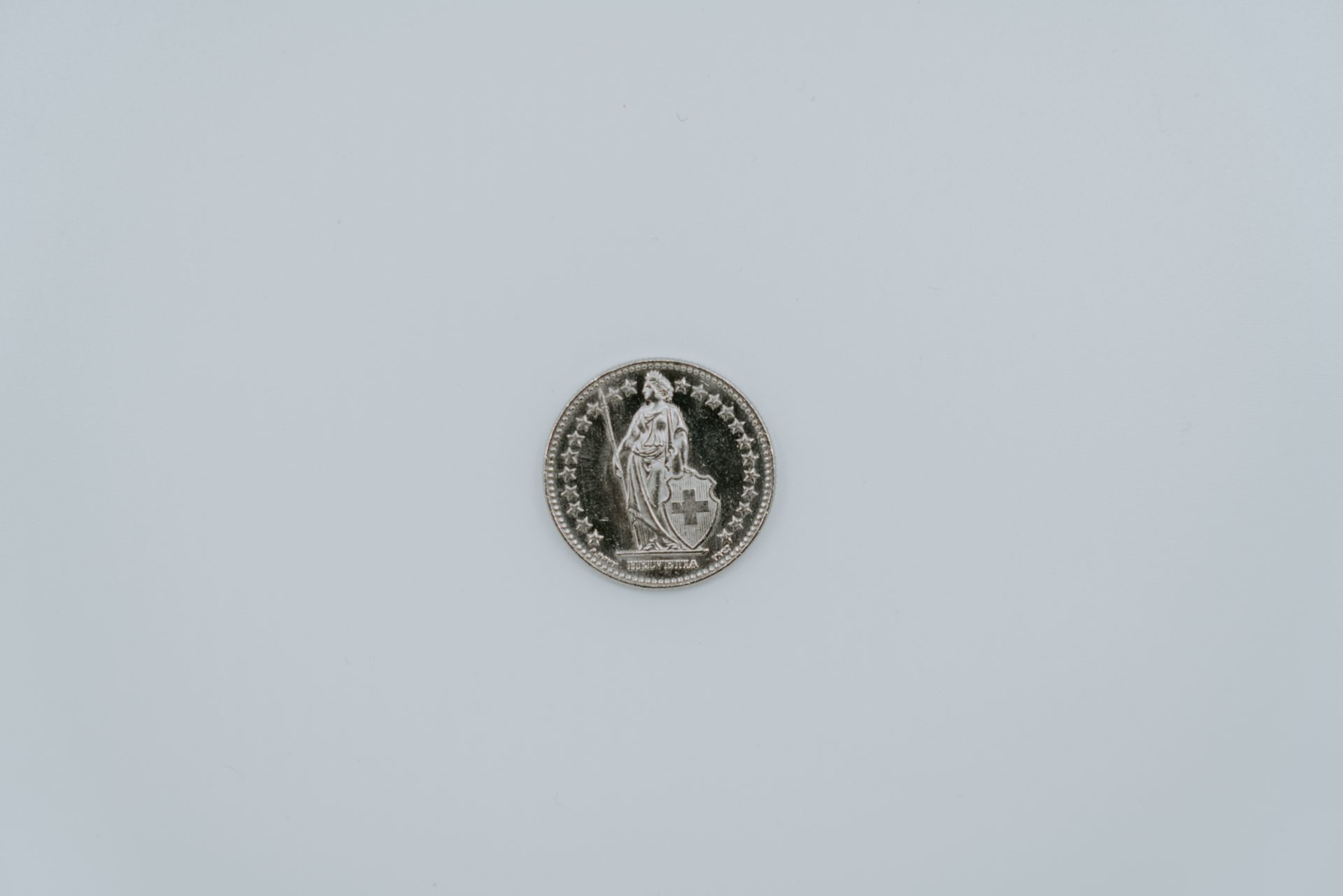
The Swiss are careful with every franc, and this moderate and rational approach to life is also reflected in the healthcare system. Photo by Claudio Schwarz on Unsplash
Drawbacks of Working in Switzerland
“You can really feel the shortage of medical staff,” says Tihomir. “However, this is not only a Swiss problem but a rapidly growing global issue.” Tihomir explains that, because of this, doctors must be flexible when it comes to work schedules. Free days have to be planned at least 3 to 4 months in advance. At the time of this article’s publication, Tihomir’s hospital is already organizing and scheduling the annual leave for 2024.
So, although the Swiss system also has its drawbacks, Tihomir does not believe that they are necessarily unique to Switzerland. In fact, Croatia is experiencing quite similar problems, and we can expect this trend to continue – especially as Croatians continue to emigrate in large numbers.
Reactions from Loved Ones and Advice for Other Doctors
Nevertheless, it should be noted that deciding to move abroad permanently or longer term is not easy. In such cases, the support of loved ones can play a crucial role, and, fortunately, Tihomir got just that.
“My family and friends reacted very positively,” says Tihomir. “They were full of support and understanding.” Such a positive response from those closest to us can be crucial in deciding to finally move or stay in another country despite occasional obstacles along the way. “In moments of doubt and when things don’t go according to plan, it’s good to have family on your side,” says Tihomir, noting that some former colleagues supported his decision, too.
Tihomir, thank you for sharing your insights! In conclusion, what would you recommend to colleagues who are also considering working in Switzerland?
“For future Switzerland-based colleagues, my advice is not to be afraid if they’ve already decided to move. They should wholeheartedly pursue their goal. Remember, you’re the one writing your life story. So, stand up for yourself and go for it. Switzerland can be your better future,” concludes Tihomir.
Tihomir was just one of many doctors we’ve helped in securing their dream jobs abroad. Find more reviews from our candidates here!
If you are an EU citizen and are considering working abroad, we would certainly like to suggest that you look into EURES’ mobility program, designed specifically to help job seekers find […]
Incor’s CEO, Zrinka Stanić, has been teaching Swedish language for over 15 years. She recently published an article listing the exact steps you need to take to learn Swedish on […]
After graduating from medical school and nearly completing her specialization in family medicine in Croatia, Dr. Kristina Mećava made an important life decision: to try working and living abroad. Although […]
If you are an EU citizen and are considering working abroad, we would certainly like to suggest that you look into EURES’ mobility program, designed specifically to help job seekers find […]
Incor’s CEO, Zrinka Stanić, has been teaching Swedish language for over 15 years. She recently published an article listing the exact steps you need to take to learn Swedish on […]
After graduating from medical school and nearly completing her specialization in family medicine in Croatia, Dr. Kristina Mećava made an important life decision: to try working and living abroad. Although […]
Da bismo pružili najbolje iskustvo, koristimo tehnologije poput kolačića za čuvanje i/ili pristup informacijama o uređaju. Suglasnost s ovim tehnologijama će nam omogućiti da obrađujemo podatke kao što su ponašanje pri pregledavanju ili jedinstveni ID-ovi na ovoj web stranici. Nepristanak ili povlačenje suglasnosti može negativno utjecati na određene karakteristike i funkcije.
Funkcionalni
Always active
Tehničko skladištenje ili pristup je striktno neophodan za legitimnu svrhu omogućavanja korištenja određene usluge koju izričito traži pretplatnik ili korisnik, ili u jedinu svrhu izvršenja prijenosa komunikacije preko elektronske komunikacijske mreže.
Postavke
Tehničko skladištenje ili pristup su neophodni za legitimnu svrhu čuvanja podešavanja koje ne traži pretplatnik ili korisnik.
Statistika
Tehničko skladište ili pristup koji se koristi isključivo u statističke svrhe.Tehničko skladište ili pristup koji se koristi isključivo u anonimne statističke svrhe. Bez sudskog naloga, dobrovoljne suglasnosti od strane vašeg dobavljača internet usluge ili dodatnih zapisa treće strane, informacije sačuvane ili preuzete samo za ovu svrhu obično se ne mogu koristiti za vašu identifikaciju.
Marketing
Tehničko skladište ili pristup su potrebni za kreiranje korisničkih profila za slanje reklama ili za praćenje korisnika na web stranici ili na nekoliko web stranica u slične marketinške svrhe.