A Letter from Värmland, Sweden – Review of a Radiology Engineer
13. October 2023.
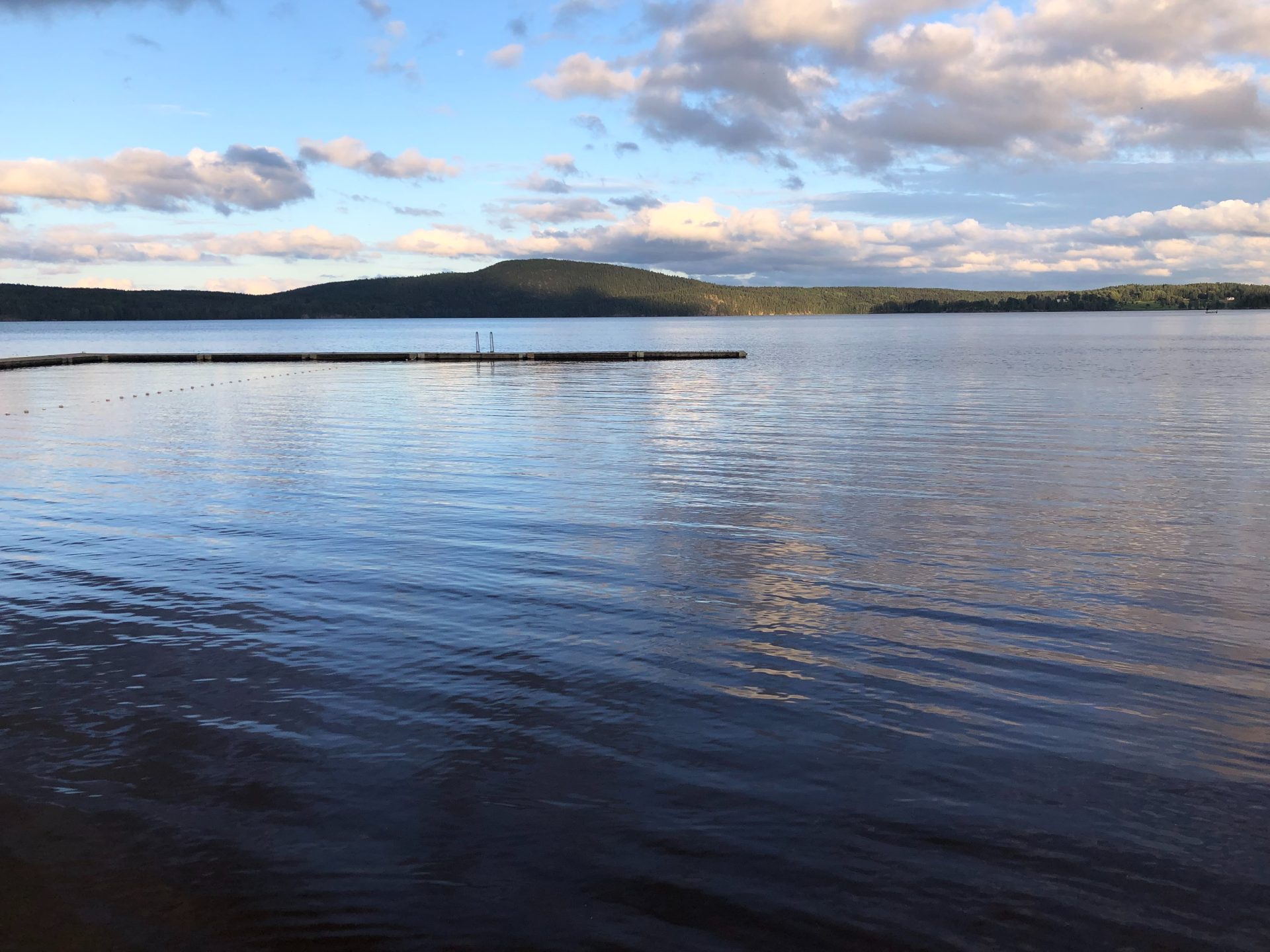
Have you heard of Värmland? This western Swedish region is known for its stunning nature, a special sheep breed, and a high standard compared to other regions in the country. Spomenko Lončar, a radiology engineer, has sent us his review from there.
“The reason why we left Croatia is already well-known, so I won’t repeat it. Simply put, hoping for a better tomorrow no longer made sense,” says Spomenko. He and his wife first moved to Great Britain, lived there for four years, and eventually ended up in Scandinavia.
“Incor sent us an inquiry about a job in Sweden, and we were intrigued. This is where our adventure began.” Today, Spomenko is employed as a medical radiology engineer, while his wife works as a nurse in Arvika – a small town about 100 kilometers west of Karlstad, the capital of the Värmland region.
Here’s what an average workday looks like in the hospitals there.
A Workday in Sweden
“My workday starts at 7.15 a.m. with a short meeting, after which I go to my workplace for the day – CT, MRI, or something else. The list of patients with appointments is on my computer,” says Spomenko.
The first fika or breakfast takes place at 9 a.m., and it lasts approximately 20 minutes. “I return to my workplace and deal with patients until 11:30 a.m. when the lunch break begins. It ends at 12:30, and from then until 14:30 I deal with patients. Then we have a second coffee break and review our workday with colleagues. The working day ends at 16:30.”
Overview of Spomenko’s average working day:
7:15: Brief meeting
~7:30: Patient work
9:00: First fika/breakfast
~9:20: Patient work
11:30: Lunch break
12:30: Patient work
14:30: Coffee break and summary of the day
16:30 End of the working day
“The fika pause, or coffee break, still fascinates me, and I still can’t get used to it,” says Spomenko. Fika was born out of the Swedes’ appreciation for the caffeinated beverage. “You shouldn’t be surprised if you have 2-3 coffee breaks during your shift.”
Spomenko also says he enjoys working with patients because they have a lot of respect for health workers, among other things. “I have yet to encounter a patient who complained about waiting for 10 or 15 minutes.”
Before moving on to other details about Spomenko’s life in Sweden, let’s go back to the actual relocation process. This is what it looked like for Spomenko and his wife.
Moving to Sweden
“The move was painless,” says Spomenko. “The apartment was waiting for us already rented since the entire process of moving, finding an apartment, a school, and everything else is managed by Incor.”
Spomenko and his wife only had to devote themselves to learning the Swedish language, and an intensive nine-month course helped them do this. “Together with the hospital grant, the course gives you enough space to focus solely on the language.”
When they finished their course, all that was left to do was to enjoy life in Sweden. It is, according to Spomenko, quite different from what he was used to in Croatia.
Sweden vs. Croatia
Sweden and Croatia primarily differ in working conditions. “Working conditions in Sweden and Croatia are incomparable,” says Spomenko, just like many of his colleagues who moved from Croatia to Sweden.
“From the way they organize the work and standardize work processes to equipment… it is simply a different world.”
Employers want employees to feel valued at work and have a private, social life, too. That’s why, for example, the number of days off quickly gets adjusted to the employee’s shifts. “If you happen to work more hours this week, you can rest assured you’ll get more days off the next. If you work overtime, you can choose between paid hours and days off.”
Besides workers, employers also respect the Labor Law, which they adhere to down to the smallest detail. “Everything is done according to the law,” says Spomenko, “annual vacation, days off, overtime hours if any… everything.”
Beyond that, Spomenko believes that the Swedes differ from the Croats in how they approach problems. “It’s not like you won’t have any problems with colleagues or something else, but these problems will be solved in a way that satisfies you, at least partially.”
A downfall of the Swedish healthcare system is the chronic lack of staff. On a positive note, though, you can always take more hours if you want to, emphasizes Spomenko.
“However, I have to say that Croatian healthcare workers are more educated than their Swedish colleagues. The reason for that is a narrow and specialized education for a specific job you’ll do, unlike Croatia where you get a more general knowledge.”
Since Spomenko lived in Great Britain before Sweden, he can compare these two systems as well. “Great Britain requires quantity. There’s a fast and big fluctuation of patients, so you sometimes feel as if you were hit by a truck after your shift. Honestly, you’re not getting adequate pay for that amount of work,” says Spomenko. However, the situation in Great Britain is still not as bad as in Croatia. “Croatia, on the other hand, pays even less while requiring more work hours.”
Spomenko thinks there’s a misconception in Croatia about what the Swedes are really like. “We tend to think that the Swedes are cold and unapproachable,” says Spomenko, “however, they actually really like to help.”
If you ask them to help you with something, you’ll feel like they’re grateful for even asking. Apart from that, they’re very liberal and have a lot of national pride. “For now, my impression is that they don’t tolerate injustice in any form and in any segment of society.”
Advice for Colleagues
What’s your advice for colleagues who may be considering finding a new beginning in Sweden? Spomenko says one should be careful about making that decision, so he doesn’t want to give too much advice. “That’s a big life decision. It’s not easy to move to another country and leave your homeland behind,” admits Spomenko. “We moved twice and don’t intend to do it again.”
However, what he can say is that Sweden is definitely a good choice for relocation. “Sweden isn’t a land of milk and honey, it has its own problems. Still, it cares about the people who live and work here, appreciates them, and invests in them. So, if you’re already thinking about moving, my recommendation definitely goes to Sweden,” concludes Spomenko.
Spomenko is one of many healthcare professionals whom we helped achieve their dreams abroad. Find more reviews from our candidates here!
If you are an EU citizen and are considering working abroad, we would certainly like to suggest that you look into EURES’ mobility program, designed specifically to help job seekers find […]
Incor’s CEO, Zrinka Stanić, has been teaching Swedish language for over 15 years. She recently published an article listing the exact steps you need to take to learn Swedish on […]
After graduating from medical school and nearly completing her specialization in family medicine in Croatia, Dr. Kristina Mećava made an important life decision: to try working and living abroad. Although […]
If you are an EU citizen and are considering working abroad, we would certainly like to suggest that you look into EURES’ mobility program, designed specifically to help job seekers find […]
Incor’s CEO, Zrinka Stanić, has been teaching Swedish language for over 15 years. She recently published an article listing the exact steps you need to take to learn Swedish on […]
After graduating from medical school and nearly completing her specialization in family medicine in Croatia, Dr. Kristina Mećava made an important life decision: to try working and living abroad. Although […]
Da bismo pružili najbolje iskustvo, koristimo tehnologije poput kolačića za čuvanje i/ili pristup informacijama o uređaju. Suglasnost s ovim tehnologijama će nam omogućiti da obrađujemo podatke kao što su ponašanje pri pregledavanju ili jedinstveni ID-ovi na ovoj web stranici. Nepristanak ili povlačenje suglasnosti može negativno utjecati na određene karakteristike i funkcije.
Funkcionalni
Always active
Tehničko skladištenje ili pristup je striktno neophodan za legitimnu svrhu omogućavanja korištenja određene usluge koju izričito traži pretplatnik ili korisnik, ili u jedinu svrhu izvršenja prijenosa komunikacije preko elektronske komunikacijske mreže.
Postavke
Tehničko skladištenje ili pristup su neophodni za legitimnu svrhu čuvanja podešavanja koje ne traži pretplatnik ili korisnik.
Statistika
Tehničko skladište ili pristup koji se koristi isključivo u statističke svrhe.Tehničko skladište ili pristup koji se koristi isključivo u anonimne statističke svrhe. Bez sudskog naloga, dobrovoljne suglasnosti od strane vašeg dobavljača internet usluge ili dodatnih zapisa treće strane, informacije sačuvane ili preuzete samo za ovu svrhu obično se ne mogu koristiti za vašu identifikaciju.
Marketing
Tehničko skladište ili pristup su potrebni za kreiranje korisničkih profila za slanje reklama ili za praćenje korisnika na web stranici ili na nekoliko web stranica u slične marketinške svrhe.